Should Russians Keep Foreign Currency Accounts? Best Assets to Save in 2026 | Kafedra Analytics
Should Russians Keep Foreign Currency Accounts? Which Currencies to Hold Savings In?
Continuation of the analytical cycle by the journal “Kafedra”
An expert view on financial security in 2026
Disclaimer:
This material is an analytical study prepared by the editorial board of the journal “Kafedra” for our channel on Zen and Sfornews. It is based on open statistical data, retrospective analysis of financial markets, and our own methodology of systemic diagnostics. The material is not an individual investment recommendation, financial advisory opinion, or call to action. All conclusions are probabilistic in nature and reflect the authors’ position. Any decisions regarding personal savings should be made taking into account your own financial situation and, if necessary, after consulting a professional financial advisor licensed in your jurisdiction. The editorial board is not responsible for any possible losses arising from the use of the presented materials without proper independent risk assessment.
Editor’s Introduction
This question now concerns everyone who watches the ruble’s decline, the oil price crash, and geopolitical turbulence. The answer depends on which strategy you choose: “wait it out” or “take action”.
At Kafedra, we have repeatedly addressed the topic of savings amid the collapse of the old world. In our previous publications on this channel, we examined in detail why bank deposits no longer offer protection, how gold is returning to the global reserve system, and why Bitcoin is becoming an alternative to SWIFT. Today, we are consolidating those findings into a single practical strategy – without illusions, based on the real risks of 2026.
What You Must Absolutely Not Do
Do not keep large amounts in US dollars or euros in Russian bank accounts.
Reasons:
• Accounts can be frozen (as already happened with foreign currency accounts in 2022–2024 – we covered this case in detail in our article “The Old World is Dead: Anatomy of Collapse”, previously published on this channel).
• Banks may introduce fees for holding foreign currency (some have already introduced negative rates for legal entities).
• In the event of a sharp devaluation, the Central Bank may restrict the withdrawal of cash currency (the 2022 experience – we analysed it in the material “Why the Ruble Falls When Oil Rises”, which is also available on our Zen channel).
Do not buy structured currency products (“tricky” or “trixie” notes).
They do not protect against devaluation; they only limit your potential return. The bank profits from options, and you get an illusion of protection. In the volatile environment of 2026, such instruments are a trap. We dissected the mechanics of “tricky” notes in a separate publication “Currency Bonds – Tricky: Why It’s Not Protection but an Illusion” – be sure to read it if your bank offers you such products.
What to Do: Diversification Outside the Banking System
The optimal strategy is to split your savings into several “baskets”, each with its own logic of protection. This logic directly follows from our conceptual cycle “The Cost of Everything” and “The Golden Ruble: How a Dual-Circuit Economy Changes the Rules” – both materials are already waiting for you on our channel.
Basket One: Cash Rubles
Keep an amount sufficient for 3–6 months of current expenses. This is not an “investment” but “insurance” against bank card freezes or withdrawal limits. Keep them in a safe place, but not in a bank safe deposit box (it may also become inaccessible). In “The Old World is Dead”, we showed that household deposits have begun to melt – people are withdrawing cash, and this trend will intensify.
Basket Two: Physical Gold
Bullion or investment coins. Gold does not depend on banks, cannot be frozen, and has no counterparty risk. In 2026, gold is hitting all-time highs – a signal that global investors are moving away from the dollar toward “eternal values.” We wrote about this in “The Cost of Everything”, where we showed that France in 2026 fully withdrew its gold reserves from Fort Knox – a demonstration of distrust in the dollar.
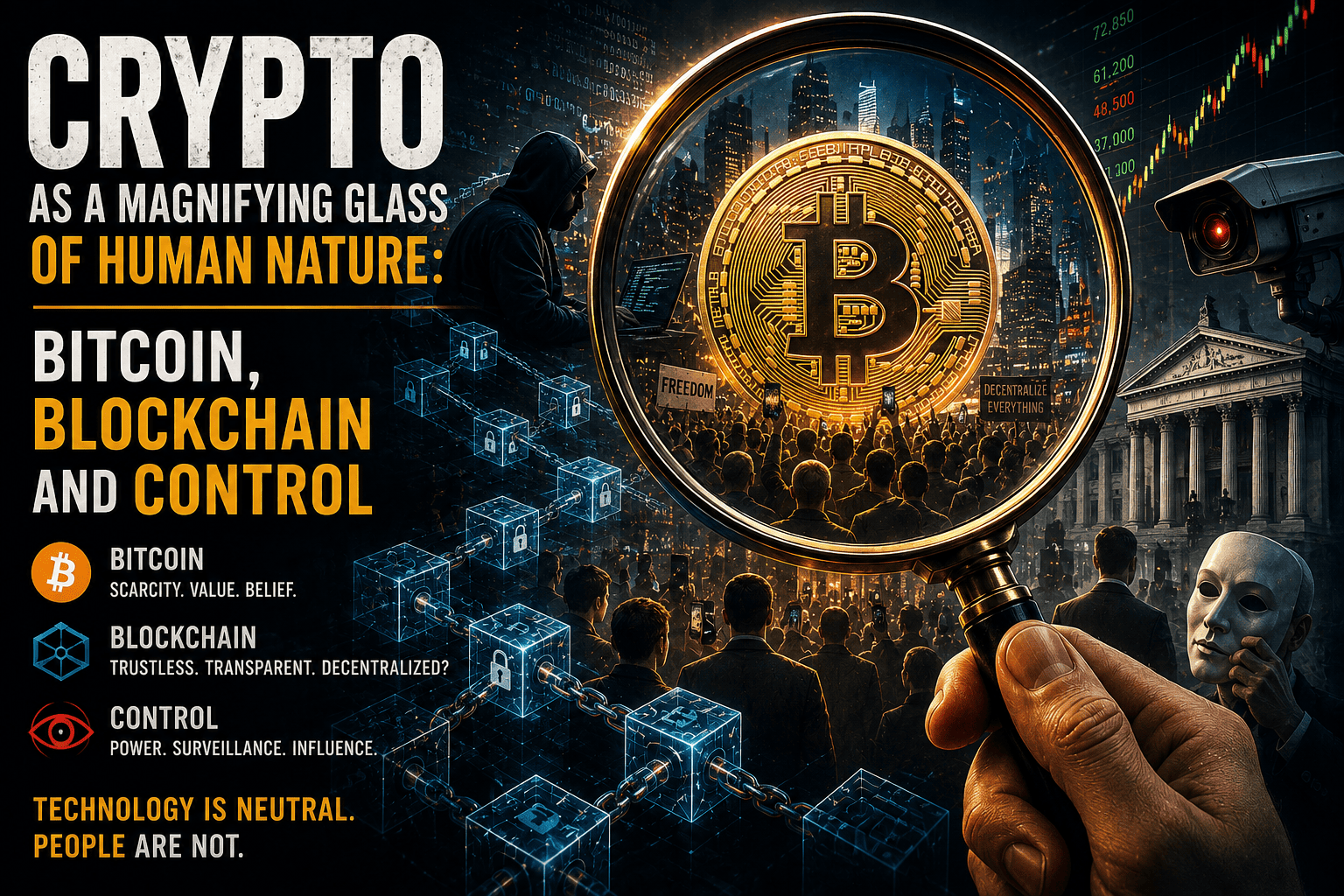
Basket Three: Bitcoin (SelfCustody)
This is a digital asset that also does not depend on banks or states. But only if you store it on a hardware wallet (not on an exchange). Bitcoin is volatile, but in the long term it shows growth, and most importantly, it cannot be blocked or confiscated. We examined Bitcoin as a store of value in “The Great Transition: From Petrodollars to CryptoGigawatts” – this material is already published on our channel. In 2026, institutional investors are massively moving from Bitcoin ETFs to direct ownership – a signal that cannot be ignored. And we discuss how Russia can monetise its energy surpluses through digital assets in a separate indepth study (also available on Zen).
Basket Four: Cash Currency of Friendly Countries
If you travel frequently or have contracts with foreign partners, keep part of your funds in yuan, UAE dirhams, or tenge. Cash – because bank accounts in these currencies can also be blocked in case of sanctions escalation. The share of this basket should not exceed 10–15% of your total portfolio. We discussed the role of the yuan and alternative currencies in “The Golden Ruble” and in our analysis of the Iran deal (article “Cosmic Volatility 2026”).
Basket Five: Commodity Reserves
This is not about panic, but about reasonable foresight. Canned food, water, medicines, fuel (if possible), household chemicals – items that may be useful during systemic logistics disruptions. This is not an “investment” but a “survival cushion.” We touched on this topic in the context of food sovereignty and supply chain risks.
What to Expect from the Ruble and Why Bank Accounts Are Not the Answer
In 2026, the ruble remains hostage to two factors: oil prices and geopolitics. The Iran ceasefire has sent oil tumbling, and if OPEC+ falls apart, Urals could drop to $30–40 per barrel. In that scenario, the budget will not hold, and ruble devaluation will become inevitable – to 150–200 per dollar. We detailed this scenario in the articles “Why the Ruble Falls When Oil Rises” and in the updated section “The Old World is Dead: June 2026 – New Blows”.
Ruble bank accounts in such a scenario will depreciate along with the currency. And foreign currency accounts may either be frozen or converted at an unfavourable rate (as happened with deposits in the 1990s). History repeats itself – we showed this using the example of the transferable ruble of the CMEA and other systems where external administration led to loss of savings.
The bottom line: the only real protection is assets that you hold outside the banking system.
Now – About the Fed Chair’s Speech and What It Means for All of Us
What the Fed Said and Why It Matters
In June 2026, the Chairman of the Federal Reserve made a statement that, in ordinary economic circumstances, would have been frontpage news. But amid the Iran deal, oil collapse, and sanctions wars, it went almost unnoticed. That was a mistake.
Key points:
• Inflation remains persistent, but the Fed cannot raise rates indefinitely – the risk of recession has become too high.
• Geopolitical risks (Iran, China, dedollarisation) are now factored into forecasts not as “externalities” but as systemic factors.
• The Fed acknowledged that the dollar is losing its status as the “sole reserve currency” and that the world is moving toward a multipolar financial system.
This is a public admission that the old models no longer work. The Fed essentially said: we don’t know what tomorrow will bring, and we cannot control it. This directly confirms our thesis from “The Old World is Dead” – the governance system has become sluggish; regulators no longer manage processes – they merely comment on them.
How Geopolitics Hits Monetary Policy
Previously, the Fed could ignore wars and sanctions – they did not directly affect the dollar. Today they do. The Iran deal crashed oil, causing exporters’ revenues to drop and inflation to rise in importing countries. The US itself suffered: high oil prices pressure consumers, and a weak dollar makes imports more expensive. We described this cascading effect in “Cosmic Volatility 2026”, showing how one strike on Qatar shattered myths about “reliable suppliers.”
The Fed is caught between two fires: raise rates and kill the economy; lower them and inflation erodes everything. It chose a “freeze”, but in a turbulent environment this is the worst strategy.
Dedollarisation: No Longer a Trend, but Reality
China, India, the BRICS countries – all have already switched to settlements in national currencies. Russia and China – 99% in rubles and yuan. Iran and China – direct supplies without the dollar. Saudi Arabia is considering the yuan for trade with Beijing. We analysed this process in “The Golden Ruble”: the dollar has become a weapon, so the world is forced to look for alternatives – even if they are not perfect.
The Fed acknowledged this process but offered no alternative. Because no alternative to the dollar as a single world currency exists today. There will be a basket of currencies and digital assets:
• Yuan – for trade in Asia.
• Gold – as a physical reserve (its price has already hit new highs – see “The Cost of Everything”).
• Bitcoin – as a decentralised asset that cannot be frozen (see “The Great Transition”).
• Central bank digital currencies (CBDCs) – for interstate transactions (China is already preparing mBridge).
What This Means for Russia and the Ruble
Pros of a weak dollar: higher ruble equivalent of oil revenues (if oil does not fall), cheaper servicing of ruble government debt, potential for ruble strengthening.
Cons: imports become more expensive → inflation accelerates, loss of confidence in the ruble → capital flees, new sanctions.
For the ordinary citizen: ruble savings will continue to lose real value, and imported goods (medicines, electronics, spare parts) will become more expensive. As we wrote in “The Old World is Dead”, the share of household spending on food in Russia has already reached 39.1% – the highest since 2008. It will only get worse unless the model changes.
The Main Takeaway for You
The Fed’s speech confirms what we at Kafedra have been saying: the old world is dead. The financial system no longer guarantees stability for either the ruble or the dollar. The only defence strategy is assets that do not depend on banks, the state, or exchanges.
This conclusion is the result of our multiyear research, including retrospective analysis of monetary systems, the evolution of global reserve currencies, central bank behaviour in crises, and the experience of countries that have endured hyperinflation and loss of sovereignty.
Your next steps:
• Review your savings structure: move large sums out of bank accounts.
• Buy physical gold or silver (at least 30% of your free funds).
• Learn to use a hardware wallet for Bitcoin – it is not complicated, but it requires attention.
• Create a commodity reserve (for 2–3 months) – in case of logistics disruptions.
• Subscribe to Kafedra on Zen – we offer not forecasts, but specific tools for action.
For InDepth Exploration: All Key Kafedra Materials Are Already on This Channel
To give you a complete picture, we have gathered all our previous publications referenced in this text. They are available via the links below (click the title to navigate):
- “The Golden Ruble: How a DualCircuit Economy Changes the Rules” – on why the domestic currency should be separated from external exchange rates and how this can protect savings.
- “The Old World is Dead: Anatomy of Collapse” – a diagnosis of the current state of the economy, banking, oil & gas, metallurgy, and retail.
- “The Cost of Everything: What Money Is Really Backed By and Why the Ruble Exchange Rate Is a Lie” – on the nature of money, Russia’s resource base, and intangible assets.
- “The Great Transition: From Petrodollars to CryptoGigawatts” – on why Bitcoin and mining are becoming part of the new financial system.
- “Cosmic Volatility 2026: Energy Armageddon or a New World Order” – on the connection between energy shocks, geopolitics, and financial instability.
- “Why the Ruble Falls When Oil Rises” – on the breakdown of the old correlation and the new rules of exchange rate formation.
- “Currency Bonds – Tricky: Why It’s Not Protection but an Illusion” – a detailed breakdown of the mechanism that banks market as hedging.
All these materials are part of our systemic work to create an alternative analytical lens. They do not provide readymade solutions, but they form a map of the terrain on which you can make your own informed decisions.
Subscribe to Kafedra on Zen so you don’t miss new research.
We continue to monitor developments and will keep you updated. The next material will cover how changes in tax legislation in 2026 will affect your investment strategies. Stay with us.
The material was prepared by the editorial board of the journal “Kafedra” for our channel on Zen. When citing, a reference to the original source (this channel) is mandatory.


Bitcoin
$62,881.23

Ethereum
$1,672.04

Litecoin
$42.71

Dash
$37.08

Bitcoin Cash
$209.43