Daily Summary, August 31
NEWS DIGEST FOR AUGUST 31, 2026
🏛 GEOPOLITICS AND INTERNATIONAL RELATIONS
🇷🇺 Putin at SCO Summit: Progress Towards Resolving the Conflict in Ukraine
Russian President Vladimir Putin, speaking on the sidelines of the SCO summit in Bishkek, stated that Russia is moving towards resolving the Ukrainian conflict. Indian Prime Minister Narendra Modi, in turn, called for resolving issues through peaceful means and proposed discussing this issue during Putin’s upcoming visit to New Delhi for the BRICS summit. Putin and Modi jointly attended the opening ceremony of the VI World Games of Nomads.
Architectural Insight:** Direct dialogue with a key partner confirms a shift in the center of power towards Asia and preserves space for diplomatic solutions, which reduces the risk of escalation.
🇺🇸🇮🇷 US and Iran Exchange Strikes; Supertanker Hit by Mines in Strait of Hormuz
The US Central Command conducted a strike against Iranian military targets on Larak Island to prevent an attempt to mine the Strait of Hormuz. In response, Iran attacked US bases in Jordan. At the same time, the IRGC announced that a supertanker was hit by two naval mines in the southern part of the strait, calling the ship’s route “illegal.” This marks the first exchange of strikes between the US and Iran in approximately a month.
Architectural Insight:** The incident in the Strait of Hormuz highlights the critical vulnerability of global energy routes. Escalation of tensions directly impacts the price of oil and creates conditions for a new wave of volatility in global markets.
🏛 MACROECONOMICS AND FINANCE
🇺🇸 Fed Signals Readiness for Tightening; Dollar Strengthens
Federal Reserve Chairman Kevin Warsh sent a strong signal to the market, stating that inflation is far from being defeated, and if the trend does not change, the Fed will have to take “serious action.” The probability of a rate hike in September rose to 55.7%. The dollar index (DXY) rose sharply on the back of “hawkish” comments, closing the week at 99.68 (+0.84 points). The yield on two-year US Treasury bonds rose by 11-15 basis points, closing at 4.34-4.36%.
Architectural Insight:** The market has returned to the issue of inflation, rather than fiscal pressure. The Fed’s hawkish stance will support the dollar in the short term, but will increase risks for the stock market and raise the cost of servicing government debt.
🇺🇸 US Economic Data: Inflation Stable, Labor Market Weakening
The core PCE for July was in line with consensus (0.2% m/m), but the broad GDP deflator remains elevated for the second quarter in a row. A preliminary annual revision of employment data showed a loss of 79,000 jobs. The Chicago PMI fell sharply to 47.1, below expectations of 57.9, and consumer sentiment (Michigan) remains weak.
Architectural Insight:** Weak data on the labor market and industry indicate a slowdown in the US economy. This creates a contradiction for the Fed, which is forced to fight inflation, risking exacerbating recessionary trends.
🇷🇺 Ruble Strengthens, Oil Prices Rise Amid Middle East Escalation
On the last trading day of August, the ruble strengthened against the yuan (12.868 rubles per yuan) amid rising oil prices. Brent futures rose by 3.21% to $90.92 per barrel. Trading in dollars and euros on the Moscow Exchange is not taking place; futures contracts USDRUBF and EURRUBF serve as benchmarks, which fell to 86.52 and 100.25 rubles, respectively.
Architectural Insight:** The ruble’s strengthening is short-term, as rising oil prices increase export revenue. However, geopolitical risks and domestic inflation continue to put pressure on the national currency in the medium term.
🇷🇺 Central Bank of Russia Expects Normalization in the Fuel Market and Stable Inflation of 4-5%
The Bank of Russia presented the draft Main Directions of the Unified State Monetary Policy for 2027-2029. In the base scenario, the regulator expects a normalization of the situation in the fuel market and a stable inflation rate of 4-5% in the second half of the year.
Architectural Insight:** The Central Bank acknowledges a “new reality” with slow growth and high inflation. This confirms the continuation of a tight monetary policy in the medium term.
💎 CRYPTOCURRENCIES AND BLOCKCHAIN
📉 Bitcoin Fails to Hold Above $79,000, Retreats to $77,700
The crypto market experienced a local correction after an attempt to break through the $79,000 level. The overall market capitalization decreased by 0.78% in 24 hours to $2.61 trillion. Ether and altcoins also showed a decline (ETH fell by 1.64%).
Architectural Takeaway: The correction in the crypto market is occurring against a backdrop of a strengthening dollar and “hawkish” signals from the Federal Reserve. This increases short-term volatility, but maintains the long-term trend towards institutionalization.
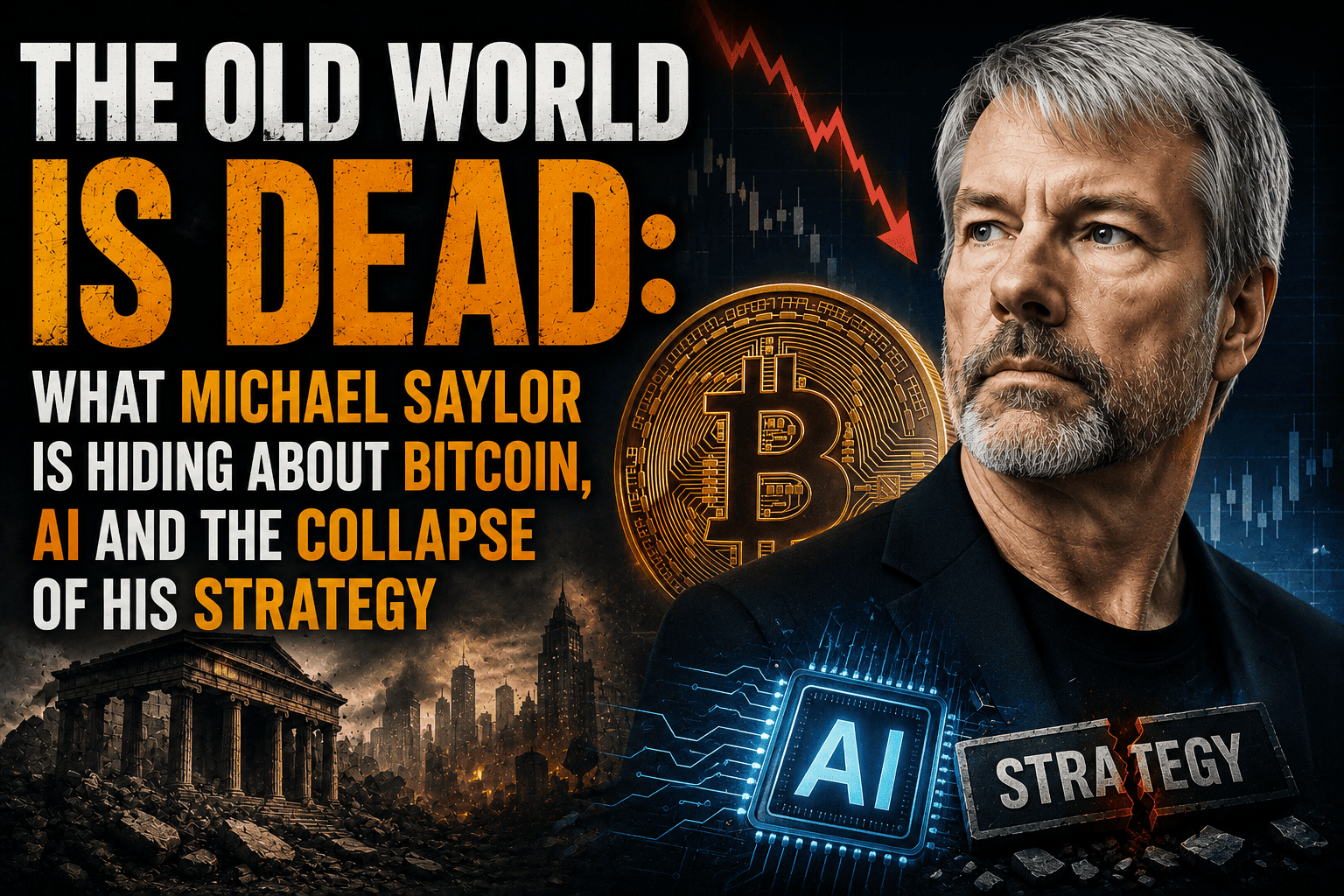
🏦 Michael Saylor Hints at Resuming BTC Purchases
Michael Saylor, Chairman of the Strategy committee, posted “We’re back” after a “hawkish” speech by the head of the Federal Reserve, which the market interpreted as a signal to resume accumulating Bitcoin. The company already owns 840,447 BTC with an average cost of approximately $75,385.
Architectural Takeaway: Signals from the largest corporate holders continue to have a significant impact on the market. The resumption of purchases by Strategy could be a catalyst for the next round of growth.
🪙 Strategy Buys 4,603 BTC for $370 Million
The company increased its reserves to 845,050 BTC, buying coins at an average price of $80,318 [see your data].
Architectural Takeaway: Institutional “whales” continue to increase their positions, ignoring short-term volatility. This creates a shortage of liquidity and strengthens confidence in the long-term bullish trend.
🇷🇺 Sber Plans to Issue Loans Collateralized by Cryptocurrencies
Sber is considering the possibility of issuing loans collateralized by BTC, ETH, and USDT.
Architectural Takeaway: The largest state bank is legalizing crypto as a collateral instrument. This is a final rejection of the “prohibitive” rhetoric and a transition to monetizing digital assets within a traditional banking model.
🏳️ Durov Announces Launch of Gram Wallet in Telegram
The wallet has become available to a limited number of users, opening the way for legal payments and the integration of cryptocurrencies into the messenger.
Architectural Takeaway: Telegram is transforming into a full-fledged platform for settlements and the storage of crypto assets. Coupled with a possible launch of its own cryptocurrency, this makes the messenger a key element of the global crypto infrastructure.
🇷🇺 CBR (Central Bank of Russia) Includes Stablecoins in New International Payment Channels
The regulator has enshrined digital currencies as a means of circumventing sanctions and accelerating cross-border payments in its strategy for 2027–2029.
Architectural Takeaway: The Bank of Russia has definitively recognized cryptocurrencies as a tool of foreign economic policy. This is the legal formalization of the transition to “crypto-foreign trade” – a strategic maneuver to bypass the dollar system.
🇮🇸 Iceland Votes Against Joining the EU
The referendum will extend the transition period and create a loophole for international crypto companies that are looking for jurisdictions with soft regulation.
Architectural Takeaway: Iceland is rejecting European integration, making it an attractive hub for crypto businesses that are avoiding the requirements of MiCA. This strengthens the fragmentation of regulation in Europe.
🇻🇳 Vietnam Preparing to Launch a Legal Cryptocurrency Market
Five companies have passed the first stage of selection to obtain licenses to operate crypto exchanges.
Architectural Takeaway: Vietnam is catching up with Singapore and the UAE, creating a regulated market. This expands the “friendly” crypto zone and reduces the market’s dependence on speculative jurisdictions.
☠️ Vulnerability in Cosmos EVM Affected Six Networks, Including MANTRA, TAC, and KiiChain
After the hack of TAC for $7.5 million, it became clear that the problem was systemic and affected several projects based on the same architecture.
Architectural Takeaway: An error in the common code can destroy entire ecosystems. This is a reminder of the danger of dependence on “trendy” frameworks and emphasizes the importance of independent audits.
☠️ Cronos Blockchain Halted After Hack of Tectonic Credit Protocol
The preliminary damage is approximately $75 million. The network has been suspended to investigate the attack and assess the extent of the losses.
Architectural Takeaway: Attacks on DeFi protocols continue to cause damage comparable to bank failures. This undermines trust in decentralized finance, but shows that the market is willing to pay for the security of infrastructure.
☠️ Sweden is driving miners out of the country
The tax authorities are refusing to refund VAT on equipment and electricity to miners, and are also demanding the return of previously received amounts.
Architectural takeaway: Northern Europe is becoming hostile to miners. This creates conditions for a redistribution of hash rate in favor of more friendly jurisdictions with cheap energy.
🤖 TECHNOLOGY AND AI
🤖 OpenAI engineers admit they don’t understand the code they are using
Part of the code is generated exclusively by the Codex model, and people only check its functionality.
Architectural takeaway: AI is becoming a “black box” even for its creators. This is the highest level of technological maturity, but at the same time, it is a risk: debugging and auditing code becomes practically impossible without a full understanding, which raises the question of the limits of trust in autonomous systems.
🛡 SECURITY AND INCIDENTS
🇷🇺 Ukrainian Armed Forces attacked residential buildings in Yekaterinburg
On the morning of August 31, the Kyiv regime attacked the Ural capital with drones. Three apartment buildings were damaged, and four people were injured. There was also an attempt to strike a warehouse belonging to a major online marketplace.
Architectural takeaway: Attacks on regions far from the front line demonstrate a shift towards a strategy of attrition and disruption of logistics, creating additional social pressure.
☠️ OneKey founder announced a hack of the Ledger hardware wallet
The incident confirms that even leading hardware wallet manufacturers are not immune to hacking.
Architectural takeaway: The issue of secure storage of crypto assets remains critical. In the face of increasing attacks, diversification of storage methods is becoming a mandatory requirement for investors.
🔫 Chinese hackers attacked NASA, the Federal Reserve, and the Senate
The activity took place from 2018.
Architectural takeaway: Cyber warfare is becoming full-scale. Digital security is moving to the level of interstate confrontation, which requires new approaches to protecting critical infrastructure.
📊 CoinGecko: Crypto platforms lost $3.63 billion since the beginning of 2025
245 incidents, with the 10 largest attacks accounting for 72.5% of all losses.
Architectural takeaway: Cybersecurity remains a critical point. One vulnerability can outweigh hundreds of minor incidents, undermining trust in the industry as a whole.
💡 OVERALL ARCHITECTURAL TAKEAWAY
The Western financial system is in a state of turbulence. The hawkish rhetoric of the US Federal Reserve is strengthening the dollar and maintaining high interest rates, which is increasing pressure on the stock market and government debt. At the same time, persistent high inflation (PCE Core 3%, expectations 4%) creates long-term structural problems. At the same time, geopolitical escalation in the Middle East (the incident in the Strait of Hormuz) is keeping oil prices high, which partially supports the Russian currency.
The crypto market is experiencing a local correction amid the strengthening of the dollar, but institutional investors (Strategy, ETFs) continue to accumulate assets, ignoring short-term fluctuations. The state legitimization of Bitcoin (US reserve), the launch of Gram Wallet in Telegram, and the provision of loans against crypto collateral by major Russian banks confirm the trend towards the integration of digital assets into the traditional financial infrastructure.
In these conditions, Russia continues to strengthen ties with Asian partners (SCO, BRICS), which confirms the shift in the global center of influence. Internal challenges remain: attacks by UAVs on remote regions and the need to adapt the economy to a prolonged period of high interest rates and inflation.
Those who can build a sustainable architecture in these turbulent conditions will take the market.


Bitcoin
$62,881.23

Ethereum
$1,672.04

Litecoin
$42.71

Dash
$37.08

Bitcoin Cash
$209.43