crypto news
-
Table of Contents
Stay informed, stay ahead with crypto news.
Introduction
Introduction: Crypto news refers to the latest updates, developments, and trends in the world of cryptocurrencies and blockchain technology. Stay informed about the rapidly evolving landscape of digital assets with timely and accurate information from reputable sources.
The Impact of Regulatory Changes on Cryptocurrency Prices
Cryptocurrency has become a hot topic in recent years, with more and more people investing in digital assets like Bitcoin, Ethereum, and Litecoin. However, the volatile nature of the cryptocurrency market means that prices can fluctuate wildly in response to a variety of factors, including regulatory changes. In this article, we will explore the impact of regulatory changes on cryptocurrency prices and how investors can navigate this ever-changing landscape.
Regulatory changes can have a significant impact on the price of cryptocurrencies. For example, when a government announces new regulations that restrict the use or trading of digital assets, it can cause prices to plummet as investors panic and sell off their holdings. On the other hand, positive regulatory changes, such as the approval of a new cryptocurrency exchange or the legalization of digital assets in a particular country, can lead to a surge in prices as investors rush to buy in.
One recent example of regulatory changes affecting cryptocurrency prices is the crackdown on cryptocurrency mining in China. In June 2021, the Chinese government announced that it would be cracking down on cryptocurrency mining operations in the country, citing concerns about energy consumption and financial risks. This news sent shockwaves through the cryptocurrency market, causing prices to plummet as miners scrambled to shut down their operations and move their equipment to other countries.
Another example of regulatory changes impacting cryptocurrency prices is the recent crackdown on stablecoins by US regulators. Stablecoins are digital assets that are pegged to a stable asset, such as the US dollar, and are often used as a way to transfer value between different cryptocurrencies. However, concerns have been raised about the lack of transparency and regulation surrounding stablecoins, leading to calls for stricter oversight from regulators.
As a result, the price of stablecoins like Tether and USD Coin has been affected by these regulatory changes, with prices fluctuating in response to news of potential crackdowns. Investors who hold stablecoins in their portfolios may need to closely monitor regulatory developments and be prepared to adjust their holdings accordingly.
Navigating the impact of regulatory changes on cryptocurrency prices can be challenging for investors, but there are a few strategies that can help mitigate risk. One approach is to diversify your cryptocurrency holdings across different assets, so that you are not overly exposed to the impact of regulatory changes on any one asset. By spreading your investments across a range of cryptocurrencies, you can reduce the risk of a single regulatory event causing significant losses in your portfolio.
Another strategy is to stay informed about regulatory developments in the cryptocurrency space and be prepared to act quickly in response to news of potential changes. By staying up to date with the latest news and developments, you can position yourself to make informed decisions about your investments and take advantage of opportunities as they arise.
In conclusion, regulatory changes can have a significant impact on cryptocurrency prices, causing prices to fluctuate in response to news of new regulations or crackdowns. Investors in the cryptocurrency market need to be aware of the potential impact of regulatory changes on their portfolios and be prepared to adjust their holdings accordingly. By diversifying your investments and staying informed about regulatory developments, you can navigate the ever-changing landscape of the cryptocurrency market and position yourself for success in this exciting and volatile space.
Analyzing the Rise of Decentralized Finance (DeFi) Platforms
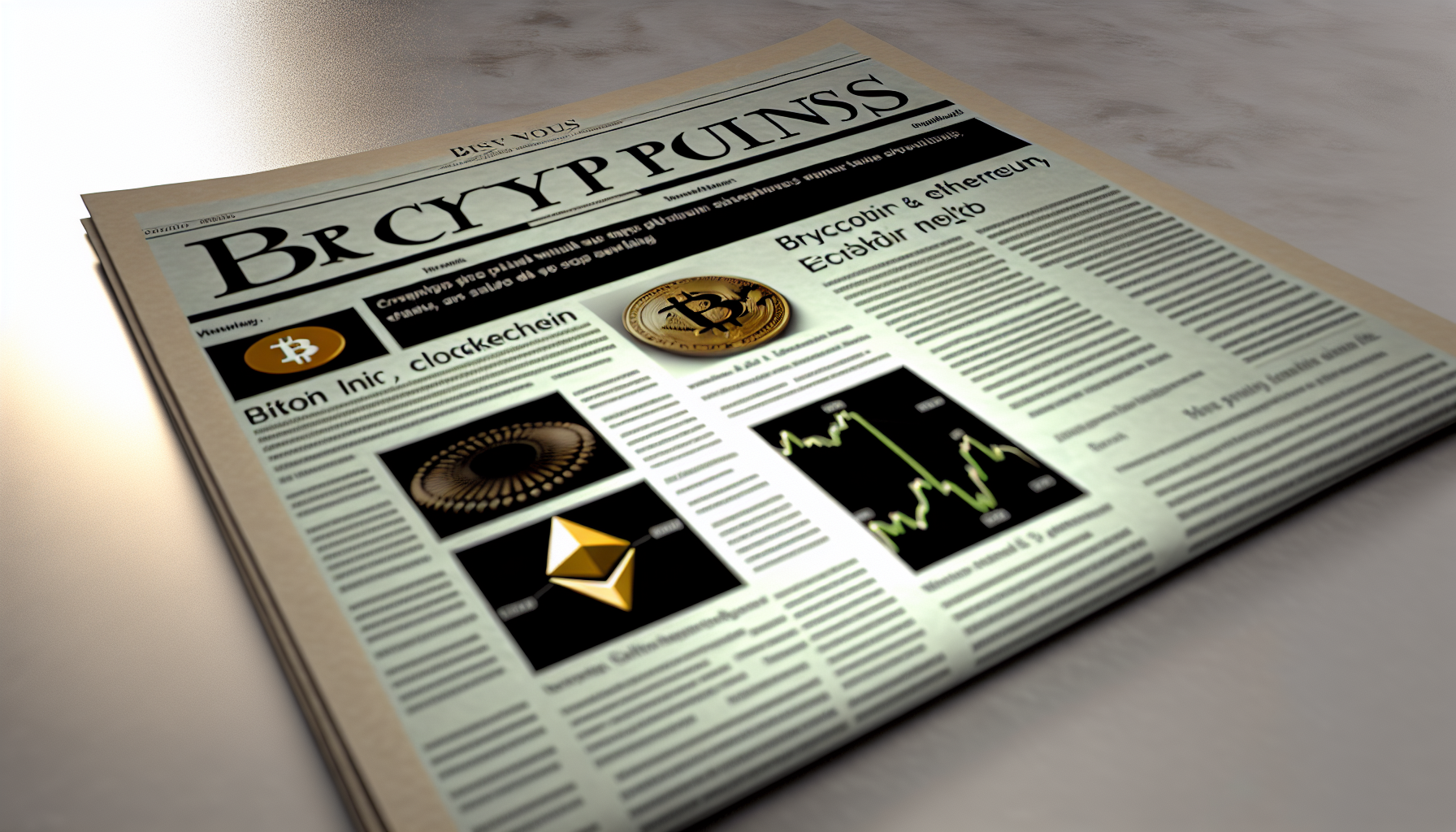
Decentralized Finance (DeFi) has been making waves in the world of cryptocurrency and blockchain technology in recent years. These platforms aim to revolutionize traditional financial systems by eliminating the need for intermediaries and allowing users to transact directly with one another. The rise of DeFi has been fueled by the growing popularity of cryptocurrencies like Bitcoin and Ethereum, as well as the increasing demand for more efficient and transparent financial services.
One of the key features of DeFi platforms is their use of smart contracts, which are self-executing contracts with the terms of the agreement directly written into code. This allows for automated transactions and eliminates the need for third-party intermediaries, such as banks or payment processors. Smart contracts are at the heart of many DeFi applications, enabling users to lend, borrow, trade, and invest in a decentralized manner.
Another important aspect of DeFi platforms is their focus on interoperability and composability. This means that different DeFi applications can be easily integrated with one another, allowing users to access a wide range of financial services from a single platform. For example, a user could borrow funds from one DeFi protocol and then use those funds to invest in another protocol, all without leaving the ecosystem.
The decentralized nature of DeFi platforms also offers greater security and privacy for users. Since transactions are recorded on a public blockchain, they are transparent and immutable, reducing the risk of fraud or manipulation. Additionally, users have full control over their funds and can access DeFi services without needing to provide personal information or undergo KYC (Know Your Customer) verification.
Despite the many benefits of DeFi platforms, there are also some challenges and risks to consider. One of the main concerns is the potential for smart contract bugs or vulnerabilities, which could lead to the loss of funds. In recent years, there have been several high-profile hacks and exploits on DeFi platforms, highlighting the need for robust security measures and thorough code audits.
Regulatory uncertainty is another issue facing the DeFi industry, as governments around the world grapple with how to regulate these decentralized platforms. Some countries have taken a hands-off approach to DeFi, while others have imposed strict regulations or outright bans on certain activities. This regulatory uncertainty can create challenges for DeFi projects looking to operate in multiple jurisdictions.
Despite these challenges, the DeFi industry continues to grow and evolve at a rapid pace. New projects and protocols are being launched regularly, offering innovative solutions to traditional financial problems. As more users and investors flock to DeFi platforms, the industry is poised to disrupt the traditional financial system and usher in a new era of decentralized finance.
In conclusion, the rise of DeFi platforms represents a significant shift in the way we think about and interact with financial services. By leveraging blockchain technology and smart contracts, these platforms offer a more efficient, transparent, and secure alternative to traditional finance. While there are challenges and risks to navigate, the potential benefits of DeFi are undeniable. As the industry continues to mature and innovate, it will be interesting to see how DeFi platforms shape the future of finance.
Exploring the Latest Trends in Non-Fungible Tokens (NFTs)
Non-fungible tokens (NFTs) have been making waves in the world of cryptocurrency and digital art. These unique digital assets have gained popularity for their ability to represent ownership of digital content, such as artwork, music, videos, and even virtual real estate. In recent months, NFTs have become a hot topic in the crypto community, with artists, collectors, and investors all jumping on the bandwagon to explore the potential of this new technology.
One of the latest trends in the world of NFTs is the rise of digital art marketplaces. Platforms like OpenSea, Rarible, and Foundation have emerged as popular destinations for artists to mint and sell their digital creations as NFTs. These marketplaces provide a space for artists to showcase their work to a global audience and connect with collectors who are interested in purchasing unique digital assets. The growing popularity of these platforms has led to a surge in demand for digital art, with some pieces selling for millions of dollars.
Another trend in the world of NFTs is the integration of blockchain technology into other industries. Companies in sectors such as gaming, fashion, and sports are exploring ways to leverage NFTs to create new revenue streams and engage with their audiences in innovative ways. For example, gaming companies are using NFTs to create unique in-game items that players can buy, sell, and trade on the blockchain. This has opened up new opportunities for gamers to monetize their skills and assets in virtual worlds.
In the fashion industry, NFTs are being used to create digital clothing and accessories that can be worn in virtual environments. Brands like Gucci and Nike have launched limited-edition NFT collections, allowing customers to purchase exclusive digital items that can be displayed in virtual worlds or used in augmented reality experiences. This trend has the potential to revolutionize the way we think about fashion and consumer goods, blurring the lines between physical and digital products.
Sports organizations are also getting in on the action, with some teams and athletes launching NFTs to engage with fans and create new revenue streams. For example, the NBA has partnered with Top Shot to create digital collectibles of iconic basketball moments, which fans can buy, sell, and trade on the blockchain. This has opened up a new market for sports memorabilia, allowing fans to own a piece of their favorite team’s history in a digital format.
Overall, the rise of NFTs represents a new frontier in the world of digital ownership and creativity. As more artists, collectors, and companies embrace this technology, we can expect to see even more innovative uses of NFTs in the future. Whether it’s buying digital art, collecting virtual items, or owning a piece of sports history, NFTs offer a unique way to connect with the digital world and explore new possibilities for ownership and expression. As the NFT market continues to evolve, it will be exciting to see how this technology shapes the future of digital content and commerce.
Conclusion
In conclusion, staying informed about crypto news is essential for anyone involved in the cryptocurrency market. Keeping up to date with the latest developments and trends can help investors make more informed decisions and stay ahead of the curve in this rapidly evolving industry.


Bitcoin
$62,881.23

Ethereum
$1,672.04

Litecoin
$42.71

Dash
$37.08

Bitcoin Cash
$209.43