Mexico — An Oil Giant in the Grip of Energy Dependence: 75% of Gas from the US, Shale Under Taboo, and Criminal Mining | SforNews
MEXICO — AN OIL GIANT CAUGHT IN THE GRIP OF ENERGY DEPENDENCE
INTRODUCTION: A BRIEF DIAGNOSIS
Mexico is one of the most paradoxical points on the map of the emerging energy-digital system. It is a country that simultaneously serves as:
- An oil giant with rising production but underdeveloped refining capacity. Mexico ranks among the three largest oil producers in Latin America, accounting for 17% of regional output [2]. PEMEX reported an increase in hydrocarbon production to 2.447 million barrels of oil equivalent per day in the second quarter of 2026, up 4.6% year over year [10]. Yet the country imports approximately 75% of its natural gas consumption from Texas [9], while oil refining remains at 1.008 million barrels per day [10].
- A country with an ambitious energy-sovereignty program. The Sheinbaum administration has launched an unprecedented initiative involving 55 renewable energy projects: 17 entirely private projects totaling nearly 3,000 MW and 38 projects operating under mixed arrangements with CFE [5]. The objective is to increase the share of renewables in electricity generation by 15–20% over the six-year presidential term [9]. CFE is expected to provide 54% of electricity generation [8].
- A country with liberal de jure mining rules but a criminal reality de facto. Cryptocurrency mining is neither prohibited nor specifically regulated in Mexico [7]. Individuals and legal entities are free to mine. However, in September 2026, authorities discovered the fourth clandestine mining farm of the year in the mountains of Puebla. The operation was allegedly linked to cartels, contained 300 GPUs, and involved electricity theft from a hydroelectric facility [3][6].
Mexico’s paradox: a country that declares energy sovereignty and builds renewable infrastructure remains heavily dependent on American natural gas and cannot adequately protect its power system from criminal mining operations. It has a legal framework for digital assets through the Fintech Law but lacks a strategy for monetizing energy. It exports oil but imports gas. It builds solar parks while cartels build underground mining farms.
SECTION 1. THE OLD MODEL: WHAT EXISTED AND WHAT BROKE
For decades, Mexico’s economic model rested on three pillars.
Oil as the foundation of exports and public revenue. PEMEX remains the country’s largest company and generates a significant share of its foreign-currency earnings. In the second quarter of 2026, PEMEX reported revenue of 876 billion pesos and operating profit of 125 billion pesos [5].
Dependence on US natural gas. Mexico consumes approximately 9 billion cubic feet of natural gas per day, of which 6.8 billion cubic feet are imported from the United States [20]. This leaves the country vulnerable to American market fluctuations and political pressure.
State control over energy. CFE and PEMEX dominate electricity generation and hydrocarbon production, while private investment remains constrained.
This model is beginning to break down.
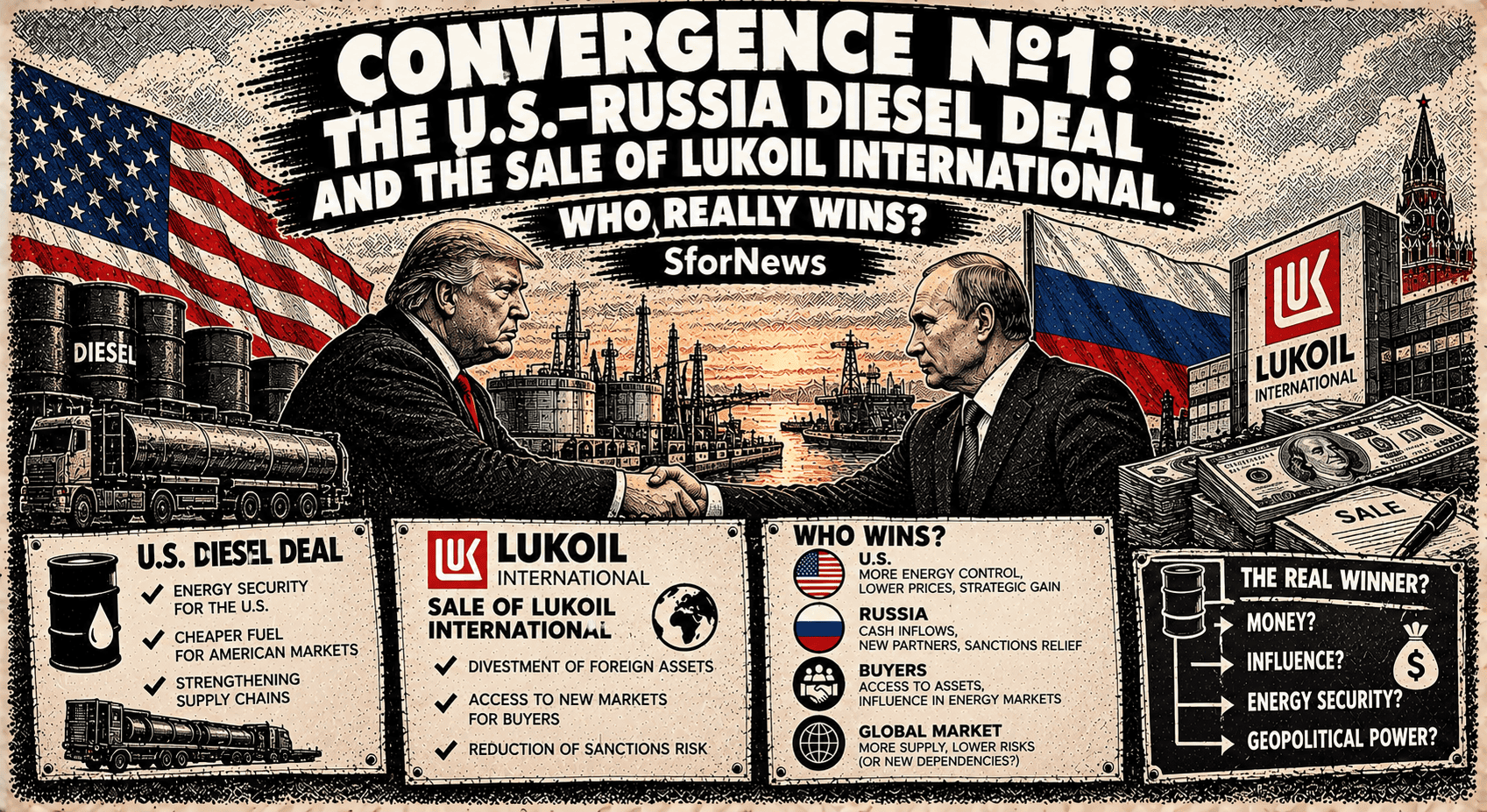
Gas dependence has become critical. Approximately 75% of Mexico’s natural gas comes from Texas [9]. This is not merely an economic vulnerability; it is a geopolitical lever in Washington’s hands. The Sheinbaum administration acknowledges the problem and is exploring ways to reduce dependence by developing unconventional resources [20].
The oil industry is operating under pressure. PEMEX has reduced its debt to its lowest level in 11 years [5], but refining remains limited to approximately 1.008 million barrels per day, and the country continues to import some petroleum products [10].
Mining has moved underground. The absence of dedicated regulation and access to stolen electricity have created conditions for criminal mining. Cartels allegedly use clandestine facilities to launder money and finance their activities [6][11].
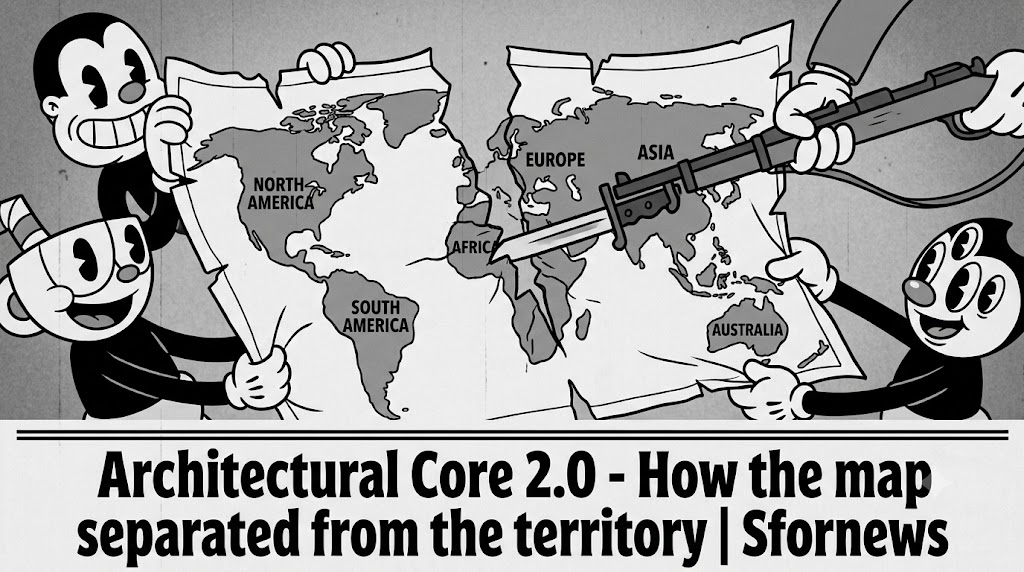
The map — an oil giant pursuing energy sovereignty with progressive digital-asset regulation — no longer reflects the territory: dependence on US gas, limited refining capacity, and criminal mining operations.
SECTION 2. ENERGY PROFILE: WHAT MEXICO HAS AND WHAT IT LACKS
Mexico is an energy giant in terms of potential, but it faces critical constraints.
| What Mexico has | What Mexico lacks |
|---|---|
| Hydrocarbon production of 2.447 million barrels of oil equivalent per day [10] | Energy independence, with approximately 75% of natural gas imported [9] |
| 55 renewable energy projects: 17 private and 38 mixed [5] | Sufficient oil refining capacity, currently 1.008 million barrels per day [10] |
| Shale gas potential of 141 trillion cubic feet [20] | Political willingness to develop shale resources |
| CFE’s target of 54% of electricity generation [8] | Effective protection of the power system against criminal mining |
| Fintech Law regulating digital assets [4] | A strategy for monetizing energy through mining |
Key fact: Mexico possesses one of the largest shale gas resource bases in the Western Hemisphere, with approximately 141 trillion cubic feet of technically recoverable resources [20]. Yet the country has not developed these resources because of political resistance to hydraulic fracturing.
This creates a paradox: Mexico sits on substantial gas resources while importing natural gas from the United States.
SECTION 3. MEXICO’S POSITION ON MINING AND CRYPTOCURRENCIES
This is where Mexico’s central paradox becomes most apparent.
The reality: cryptocurrency mining is neither prohibited nor specifically regulated [7]. De jure, there is freedom to mine. De facto, criminal operations and electricity theft have become serious concerns.
Legal framework
Mining is not specifically regulated. Individuals and legal entities can mine without dedicated mining licenses or permits [7].
Fintech Law (2018). The law regulates digital assets as “virtual assets,” but does not recognize them as legal currency. Banco de México restricts cryptocurrency operations by regulated entities [19].
LFPIORPI — Mexico’s anti-money-laundering law. Cryptocurrency exchanges are classified as a “vulnerable activity,” subjecting them to know-your-customer and anti-money-laundering obligations [14].
Criminal reality
September 2026: Authorities discovered the fourth clandestine mining farm of the year in Puebla. The facility contained 300 GPUs, 80 medium-voltage terminals, and eight satellite antennas [3][6].
Electricity theft. The Necaxa hydroelectric facility was identified as the main source of power for the operation. Estimates suggest that the cost of mining one BTC using stolen electricity could be close to zero [6].
Chainalysis: Illicit cryptocurrency transactions reached $154 billion in 2025, more than double the $59 billion recorded a year earlier. Mexican cartels are reported to use mining operations as part of money-laundering activities [6][18].
The paradox: Mexico has relatively permissive mining laws but faces a criminal reality. The state struggles to protect its power infrastructure from cartels that allegedly use stolen electricity for mining and money laundering.
SECTION 4. REGULATORY POSITION: CNBV, BANXICO, AND SHCP
4.1. CNBV — National Banking and Securities Commission
Licensing. The Fintech Law establishes a regulatory framework for electronic payment institutions, including digital wallets, and crowdfunding platforms [4].
Cryptocurrencies. CNBV and Banco de México regulate the use of virtual assets by regulated entities. Permitted operations are restricted to internal purposes [19].
4.2. Banxico — Banco de México
Position. Crypto-assets are not legal tender and are not considered conventional financial instruments [19].
Stablecoins. Banxico treats stablecoin issuance as an activity resembling deposit-taking, which is reserved for regulated entities [19].
4.3. SHCP — Ministry of Finance
Anti-money-laundering reform (August 2026). New LFPIORPI rules introduce a risk-based approach for vulnerable sectors, including mandatory customer classification, enhanced KYC checks, monitoring of politically exposed persons (PEPs), and automated monitoring systems [14].
Implementation timeline. The rules are scheduled to take effect in March 2027, with the first audits expected in 2028–2029 [14].
The underlying principle: Mexico is building institutional infrastructure for crypto-assets but not the corresponding energy infrastructure. It regulates trading but fails to adequately protect its power system against criminal mining.
SECTION 5. GEOPOLITICAL POSITION: BETWEEN THE UNITED STATES AND SOVEREIGNTY
Mexico is a country energetically tied to the United States while searching for a path toward greater independence.
United States. Mexico imports approximately 75% of its natural gas from Texas [9]. This creates a critical dependency. The Sheinbaum administration describes the issue as a matter of energy sovereignty [20].
Shale potential. Mexico possesses approximately 141 trillion cubic feet of unconventional gas resources but has not developed them because of political resistance to hydraulic fracturing [20]. Sheinbaum is cautiously opening the door to new technologies [9][20].
China. Mexico is attempting to balance its international relationships, but its energy dependence on the United States limits its strategic autonomy.
Architectural conclusion: Mexico is an oil supplier and a gas buyer, but not an architect of the emerging system. It seeks sovereignty while remaining caught in the grip of American gas dependence.
SECTION 6. ARCHITECTURAL CONCLUSION: WHAT PATH IS AVAILABLE TO MEXICO?
Mexico is a country that simultaneously:
- Accounts for 17% of Latin America’s oil production [2].
- Imports approximately 75% of its natural gas from the United States [9].
- Possesses 141 trillion cubic feet of shale gas resources [20].
- Is developing 55 renewable energy projects, including 17 private and 38 mixed projects [5].
- Has no dedicated regulatory framework for cryptocurrency mining [7].
- Has seen four clandestine mining farms discovered in a single year [3][6].
Mexico’s weak points
Dependence on US natural gas. Approximately 75% of its gas supply is imported. Any disruption could put significant pressure on the power system [9].
Political resistance to shale development. Approximately 141 trillion cubic feet of potential resources remain undeveloped [20].
Criminal mining. Cartels allegedly use stolen electricity for mining and money laundering [6][11].
Lack of a strategy for monetizing renewable energy. The 55 renewable projects have not been integrated into a broader digital energy strategy [5].
Regulatory uncertainty surrounding mining. The absence of dedicated rules creates a gray area [7].
The main conclusion
Mexico will not “import Bitcoin” like Europe because it has oil resources and renewable energy potential.
Nor is it likely to mine Bitcoin systematically on the scale of Russia or Paraguay. It lacks consistently cheap, secure electricity for large-scale operations, and its power infrastructure is vulnerable to criminal activity.
Mexico will continue fighting cartels, importing natural gas, and building renewable capacity — but it is unlikely to systematically monetize these resources through digital assets under the current model.
For Mexico, Bitcoin is neither an “energy coupon” nor a “strategic reserve.” It represents a potential criminal threat: an asset and technology that can be exploited against the state when oversight and infrastructure protection fail.
CONCLUSION: MEXICO’S PLACE IN THE GLOBAL TRANSITION
Mexico is neither the architect of the emerging system nor its victim. It is an oil giant caught in the grip of energy dependence.
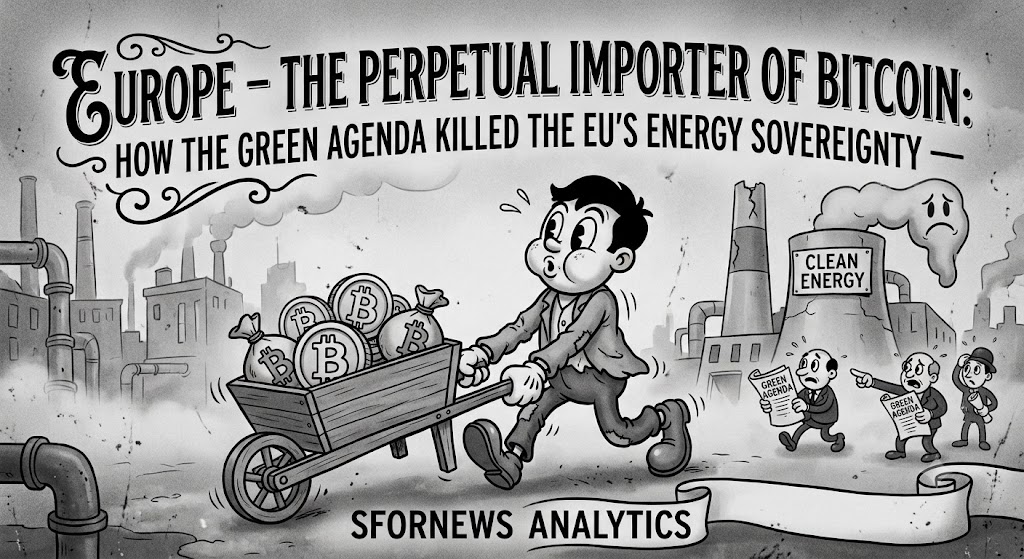
Europe risks becoming a permanent importer of Bitcoin because it lacks sufficient energy resources.
China is building parallel infrastructure because it has a strategy.
The United States is attempting to preserve its dominance through a Bitcoin reserve amid growing challenges to the dollar-based system.
Russia could achieve energy sovereignty if it develops a coherent strategy.
Mexico has oil, shale gas potential, and ambitions for renewable energy. Yet it imports 75% of its natural gas, leaves much of its shale potential undeveloped, and struggles to protect its energy infrastructure from cartels. It builds solar parks while criminal groups establish clandestine mining farms. It declares sovereignty while remaining dependent on Texas.
The global significance: Mexico demonstrates that even a country with enormous natural resource potential can remain on the sidelines of the emerging system when energy dependence and criminal activity prevent the monetization of energy.
The question is not whether Mexico will use Bitcoin. The question is whether it can protect its energy infrastructure and develop a sovereign strategy — or whether it will remain an oil supplier to those building the future.
FULL LIST OF SOURCES
[1] SPR Informa — Presenta Claudia Sheinbaum proyectos para producir 6 mil megawatts de energía en 2026 (December 2025) — https://www.sprinforma.mx/noticia/presenta-claudia-sheinbaum-proyectos-para-producir-6-mil-megawatts-de-energia-en-2026#1
[2] OLADE — Mideast tensions boost LAC’s role as key energy supplier (July 2026) — https://www.olade.org/en/noticias/mideast-tensions-boost-lacs-role-as-key-energy-supplier/
[3] ECO — Mina de bitcoin nas montanhas mexicanas deixa cartéis sob suspeita (September 2026) — https://eco.sapo.pt/2026/09/12/mina-de-bitcoin-nas-montanhas-mexicanas-deixa-carteis-sob-suspeita/
[4] Chambers and Partners — FinTech Legal: Mexico (September 2026) — https://chambers.com/department/bello-gallardo-bonequi-y-garcia-sc-fintech-legal-fintech-49:2744:144:1:170098#1
[5] gob.mx — CCE propone pasar del diálogo a los proyectos de energía que detonen el desarrollo económico de México (August 2026) — https://www.gob.mx/sener/articulos/cce-propone-pasar-del-dialogo-a-los-proyectos-de-energia-que-detonen-el-desarrollo-economico-de-mexico
[6] CNN — Hidden crypto farm in Mexican mountains puts spotlight on cartel funding (September 2026) — https://www.cnn.com/2026/09/14/americas/mexico-crypto-farm-puebla-latam-intl#1
[7] Global Legal Insights — Blockchain & Cryptocurrency Laws & Regulations 2026: Mexico (June 2026) — https://www.globallegalinsights.com/practice-areas/blockchain-cryptocurrency-laws-and-regulations/mexico/
[8] segundoinformedegobierno.gob.mx — CFE garantizará el 54% de la generación eléctrica — https://www.segundoinformedegobierno.gob.mx/compromisos/70/cfe-garantizara-el-54-de-la-generacion-electrica
[9] SPR Informa — Destaca Claudia Sheinbaum impulso de fuentes renovables y aumento en producción nacional para garantizar soberanía energética (February 2026) — https://sprinforma.mx/ver/portada/destaca-claudia-sheinbaum-impulso-de-fuentes-renovables-y-aumento-en-produccion-nacional-para-garantizar-soberania-energetica#1
[10] PEMEX — PEMEX Reports Strong Operating and Financial Results for the Second Quarter of 2026 (July 2026) — https://www.pemex.com/en/press_room/press_releases/Paginas/2026-69_national.aspx
[11] Excélsior — Descubren granja clandestina de criptomonedas en Puebla vinculada al crimen organizado (September 2026) — https://www.excelsior.com.mx/nacional/descubren-granja-clandestina-criptomonedas-puebla-vinculada-crimen-organizado#1
[12] Chambers and Partners — Power Generation, Transmission & Distribution 2026: Mexico (July 2026) — https://practiceguides.chambers.com/practice-guides/power-generation-transmission-distribution-2026/mexico/trends-and-developments/O26447#2#3
[13] The Sydney Morning Herald — ‘New level of sophistication’: Hidden crypto farm discovered in remote Mexican mountains (September 2026) — https://www.smh.com.au/world/north-america/new-level-of-sophistication-hidden-crypto-farm-discovered-in-remote-mexican-mountains-20260913-p60wwh.html
[14] Mexico Business News — SHCP Issues Anti-Money Laundering Rules for Vulnerable Sectors (August 2026) — https://mexicobusiness.news/finance/news/shcp-issues-anti-money-laundering-rules-vulnerable-sectors
[15] gob.mx — Programa Sectorial de Energía 2025–2030 — https://www.gob.mx/cms/uploads/attachment/file/1102376/18-PS-SENER-UPER_VAL_spte-vf6.pdf
[16] Industry & Energy Magazine — Mapa energético de México: avanzan los proyectos renovables (October 2026) — https://energymagazine.mx/2026/10/mapa-energetico-de-mexico-avanzan-los-proyectos-renovables/
[17] PEMEX — PETROLEOS MEXICANOS (2026) — https://ebdi.pemex.com/bdi/bdiController.do?action=cuadro&cvecua=DAESOPS
[18] Gate.com — 墨西哥查封”秘密矿场”,扣押300块GPU (September 2026) — https://www.gateweb3.net/zh/news/detail/BTC/mexicos-secret-mining-farm-raided-300-gpus-seized-authorities-investigate-24302288
[19] Chambers and Partners — Fintech 2026: Mexico (2026) — https://gpg-pdf.chambers.com/fintech-2026/550/
[20] Wilson Center — Mexico’s Natural Gas Moment: Security Risk, Sovereignty, and the Case for Pragmatism (May 2026) — https://www.wilsoncenter.org/microsite/7/node/130301#1
© 2026, Editorial teams of Kafedra and SforNews. Citation of the original source is mandatory when quoting this material.


Bitcoin
$62,881.23

Ethereum
$1,672.04

Litecoin
$42.71

Dash
$37.08

Bitcoin Cash
$209.43