The Central Bank of the Russian Federation and mining from 2026: new rules, risks and survival strategies for investors
CBR and Miners: Not Control, But a New Reality. How to Stay Afloat When the Rules of the Game Are Changing?
The Inevitability of Dialogue
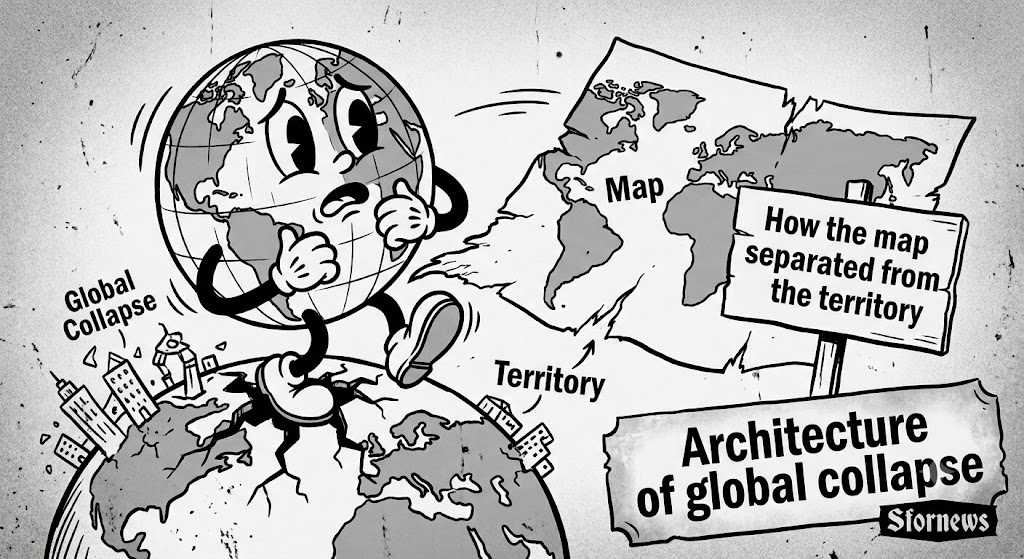
Remember the first days of cryptocurrencies? It was like the Wild West — complete freedom, absence of rules, and dizzying opportunities. Mining was an activity for enthusiasts, techies, and those who were ready to take risks… But any frontier territory is eventually mapped. Sheriffs, surveyors, and rules appear. The CBR initiative, which will come into force in 2026, is precisely that moment when the law came to the “Wild West”. The question is not whether it is good or bad, but how we live now in this new reality.
This is not a reason for panic. It is a reason for the most serious and balanced revision of your financial strategy in recent years. It is no longer just about earning money, but about a fundamental understanding of what liquidity, sovereignty over one’s assets, and financial stability are.
From Underground to Mainstream: Why Has Mining Become Interesting to the State?
To understand what is happening, one must move away from conspiracy theories and look at the situation from a macroeconomic point of view. The legalization of mining in 2024 was not a gesture of goodwill. It was a cold, calculated decision dictated by national interests.
Russia possesses a colossal strategic advantage in the “cold war” for mining — cheap energy and a cold climate. Allowing this resource to go to waste would be criminal wastefulness. Legalization allowed to:
Create a new export channel. Mining is the production of a digital good for export. Energy, which is difficult to sell abroad via wires, turns into bitcoins and flies away via fiber optics.
Turn on the printing press for the budget. The Federal Tax Service (FTS) received a new, absolutely transparent source of tax revenue. Miners are ideal taxpayers: their operations are easy to track, and evasion is almost impossible to hide.
Thus, mining has turned from a hobby into a branch of the national economy. And any serious industry cannot exist in an information vacuum.
2026: Big Data for Big Brother? What is the CBR Actually Collecting?
Many perceived the news as an imminent end to free mining. But let’s read not only the headlines but also the subtext. The CBR is not a punitive body, but, first and foremost, a mega-regulator. Its key task is to ensure the stability of the entire financial system. For this, it needs data.
So, what does the Central Bank actually need?
- Assess systemic risks. How many megawatts go to mining? Will this create overload in the energy system during peak hours? Where are the main clusters? These are questions of the country’s energy security.
- Understand the scale of capital outflow. What volume of rubles is converted into electricity, and then into cryptocurrency that goes abroad? This is critically important for managing foreign exchange reserves and the exchange rate.
- Map the industry. Who are the key players? Who are the ultimate beneficiaries? This is needed not so much to punish them, but to understand with whom to conduct a dialogue about future regulation.
The main conclusion: The CBR does not so much want to “strangle” mining as it wants to understand it and measure it with precise metrics. Ignorance scares the regulator more than the activity itself.
Reflections on the Future: Two Scenarios and the Ghost of China
A legitimate question arises here: will this understanding lead to a total ban? After all, that’s exactly what they did in China.
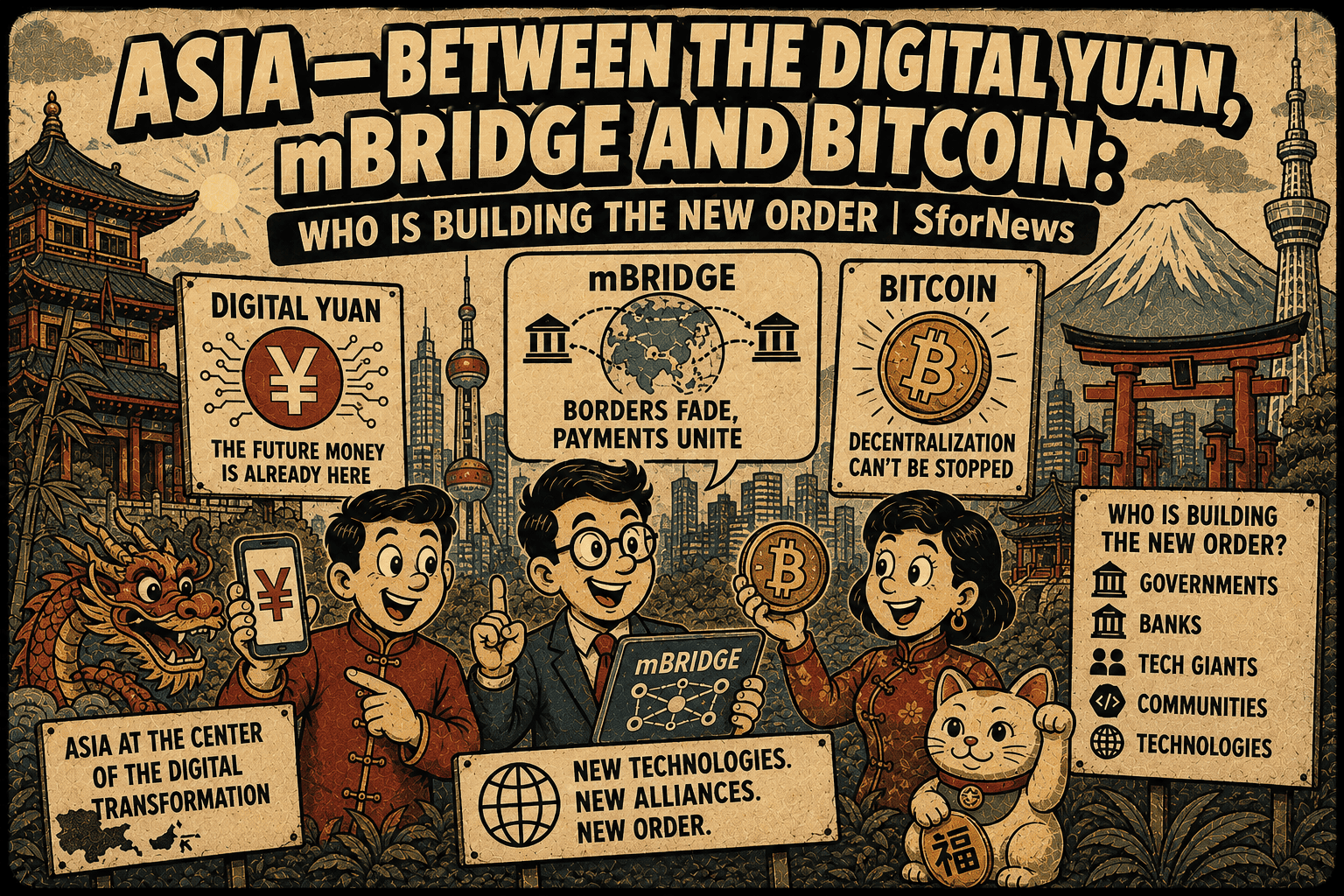
However, blind copying of the “Chinese scenario” is unlikely. Russia and China have different economic and political tasks. China was building a total system of the digital yuan, where there is no place for decentralized competitors. Russia, on the other hand, under the pressure of sanctions, is looking for workarounds and alternative channels for settlements.
The scenario of “regulated tolerance” is more realistic. The authorities are not interested in killing the goose that lays the golden eggs in the form of taxes and the utilization of excess energy. But they are definitely interested in having this goose lay eggs in the state incubator intended for this, and not just anywhere.
What risks does this pose for the ordinary investor and miner?
Risk of increased attention. Transactions linked to the wallets of miners from the registry may come under close monitoring.
Risk of complicated withdrawal. The appearance of rules obliging the withdrawal of a portion of the mined assets through authorized banks with mandatory conversion into fiat is quite likely.
Risk of rising costs. Increased tax burden or the introduction of special tariffs on electricity for miners.
This is not an apocalypse. These are new rules of the game. And one can adapt to them.
The Philosophy of Capital Preservation: Why Diversification is Needed Not Only of Assets But Also of Ideas
In such conditions, the classic advice “diversify your portfolio” sounds no longer like a recommendation, but like the only possible survival strategy. But it’s not just about buying a little gold and some stocks. It is about the diversification of philosophical approaches to storing value.
- Traditional (Conservative) Approach – Sovereignty of the State.
Your assets are protected by state institutions: the banking system, deposit guarantees, the legal field. This includes bank deposits, shares of “blue chips” (Sberbank, Gazprom, Lukoil), federal loan bonds (OFZ), as well as classic protective assets — gold (in the form of ETFs like FXGD for convenience). This is your rear, your fortress. This part of the portfolio should inspire maximum trust and be the foundation.
- Neotraditional (Moderate) Approach – Sovereignty of Corporations.
You trust your funds not to the state, but to large international corporations with an impeccable reputation. These are shares of technology giants (Nvidia, Microsoft, Apple), which are the locomotives of progress, or cryptocurrencies on the largest and most reliable world exchanges (Binance, Kraken). This is your mobile army, which participates in global growth.
- Decentralized (Radical) Approach – Personal Sovereignty.
You trust no one. Your protection is your literacy and your private keys. This approach is implemented through self-custody of cryptocurrencies on hardware wallets (Ledger, Trezor), the use of DeFi protocols to earn interest, and working with stablecoins (USDC, USDT). This is your special forces, a tool for quick and stealthy maneuvers in a crisis.
A wise investor does not choose one approach. They build their financial ecosystem using all three, flexibly redistributing funds between them depending on changes in the regulatory landscape.
Practice: What a Portfolio Might Look Like in the New Era
The share of each sector depends on your personal risk appetite. But the general principle is: the greater the uncertainty, the more funds should be shifted towards personal sovereignty (the 3rd approach).
Example for an investor focused on sustainable growth:
Foundation (50%): Gold ETFs (15%), dividend stocks (25%), cash for opportunities (10%).
Growth Core (35%): Bitcoin and Ethereum (20%, most in cold storage), stablecoins (10%, some of which are staked).
Vanguard (15%): Funds in DeFi pools (5%), technology company stocks (5%), high-risk altcoins (5%).
Such a portfolio is both stable and flexible. It allows you to weather the storm on traditional markets and participate in the growth of the crypto industry, while a significant portion of the assets is withdrawn from the direct influence of the decisions of any single regulator.
Don’t Defend, Adapt
The CBR’s initiative is not a wall to be stormed or to be broken against. It is more like a new river on the map of your financial landscape. You can try to build a raft and sail against the current, which will require Herculean efforts. Or you can study the current, build a reliable boat, and use the new water artery for your purposes.
The future belongs not to those who hide all their savings under the mattress in one asset, but to those who possess financial agnosticism. This is the ability not to be dogmatically attached to one system — be it fiat, gold, or bitcoin. It is the ability to see value in different forms and move it between worlds, benefiting from their coexistence and confrontation.
2026 is not a deadline for panic, but a deadline for acquiring new knowledge and tuning your financial instruments. The most important asset we have is not bitcoin or rubles, but our ability to learn and adapt. It’s time to invest in it right now.
© Bureau of Global Monitoring & EWA


Bitcoin
$62,881.23

Ethereum
$1,672.04

Litecoin
$42.71

Dash
$37.08

Bitcoin Cash
$209.43