Crypto Stocks Boom Again: Why Russian Investors Need to Pay Close Attention
More and more crypto companies are choosing to list on the stock exchange. Coinbase paved the way in 2021, Circle followed in early June of this year.
Also players like Kraken, Ripple, Bullish and FalconX are said to be preparing for an IPO. For investors who want to do fundamental analysis, these are interesting stocks. They offer exposure to crypto, but via the classic route of company analysis and profit models.
Circle, the company behind the digital currency USDC, debuted on the New York Stock Exchange on June 3. The IPO price of $31 per share gave it an initial valuation of $6.8 billion. The market responded enthusiastically: on the first day, the stock shot up to over $83, good for a market value of almost $60 billion. According to proponents, the strong debut shows how investors are increasingly hungry for regulated crypto companies with a clear revenue model.
Increasing inflow of institutional capital
Tim Broekmans, founder of the analysis platform Trade Premium and chief analyst at MarketVision Capital, sees the IPOs as the beginning of a broader institutional breakthrough. The crypto companies that are taking the step to the stock exchange – such as Coinbase, Circle, and perhaps soon Ripple – are the new Googles and Apples. Big Tech digitized the old economy. Today, you see a similar movement in the financial world, via blockchain and digital assets.
Market dynamics are shifting: instead of the hype around anonymous altcoins, the focus is now on regulated infrastructure players. For long-term investors, including in Russia, these are the companies with structural value. Their revenue models are based on commissions, interest income, and technology platforms – not just on price gains.
Circle as geopolitical lever – and implications for Russia
Circle stands out as the only publicly traded player with direct access to the fast-growing stablecoin market , a segment that is becoming increasingly important for international transactions outside the traditional SWIFT system. For Russian investors and companies, which struggle with international payment restrictions, this could be particularly relevant.
Stablecoins like USDC are increasingly being used to facilitate transactions between Asia, the Middle East, and Russia – out of the sight of traditional banks. While U.S. regulators are keeping a close eye on this, it remains a gray area where stablecoins can bridge siloed markets.
In addition, Circle plays a macroeconomic role through its reserves: it now manages more than 130 billion dollars in short-term US government bonds. These reserves anchor USDC as a digital dollar. This is not without significance: in Russian economic circles, interest in such alternatives is growing, especially since Moscow had to reallocate its foreign exchange reserves into euros and dollars.
Russian investors: opportunity or minefield?
For Russian investors, crypto stocks seem at first glance to be a safe and tax-efficient way to stay involved in international financial markets. But there are pitfalls. Due to Western sanctions and compliance requirements, more and more American and European brokers are closing their doors to Russian clients.
According to insiders, wealthy Russian investors are increasingly turning to neutral markets such as Dubai, Bahrain or Singapore , where regulated brokers offer access to US stock exchanges via indirect structures (trusts, SPVs or family offices). Through these channels, they can still buy Coinbase or MicroStrategy without immediately ending up on a US blacklist
Alternatives within Russia itself?
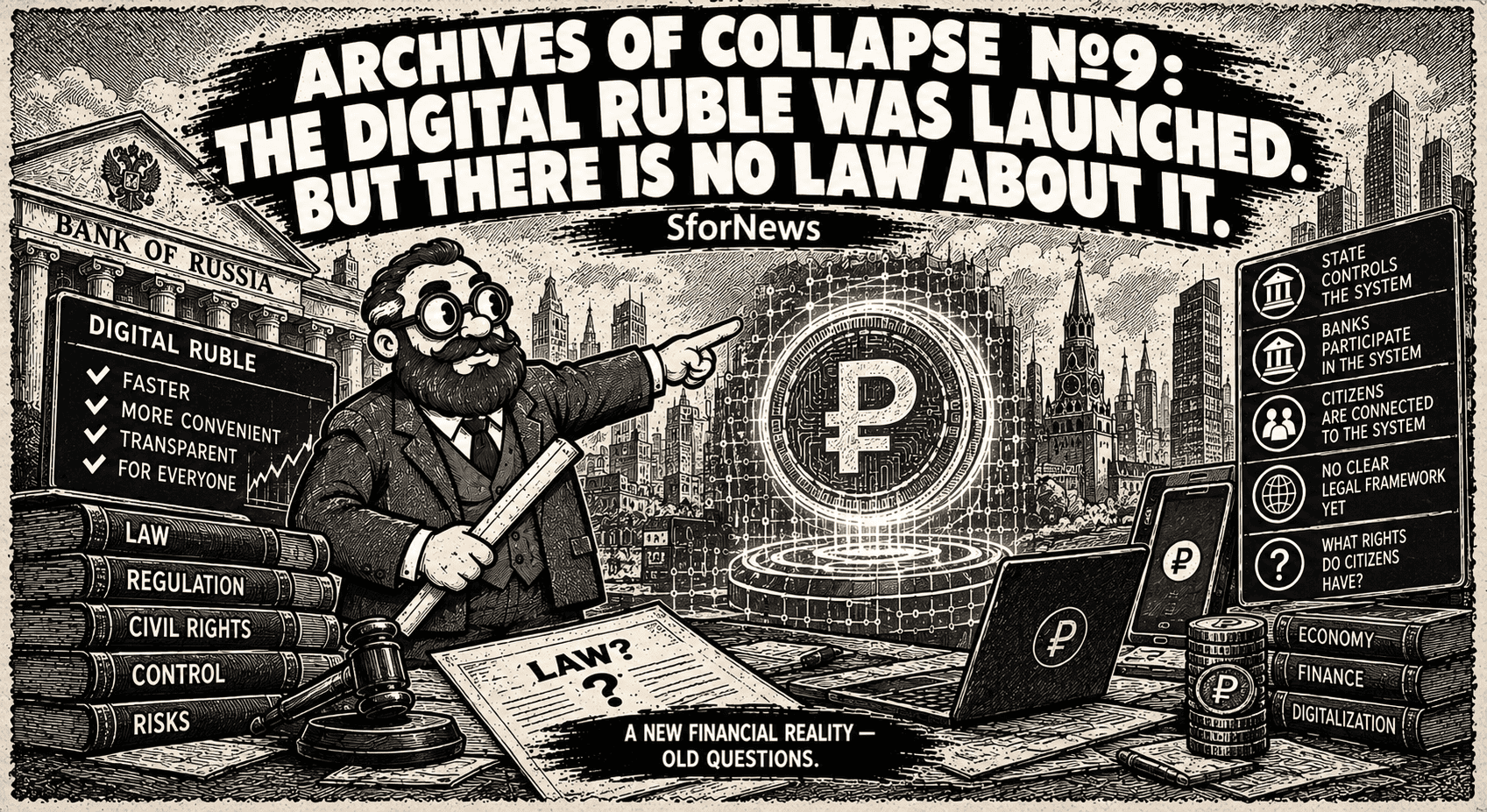
Since the 2022-2023 rounds of sanctions, the Russian central bank has cautiously started regulating crypto holdings. In 2024, the Central Bank of Russia launched the digital ruble (CBDC) , which is now of limited use for domestic B2B transactions. However, investing in crypto companies or stablecoins is still not allowed through domestic brokers such as Tinkoff or VTB Capital.
Some private investment funds in Russia offer exposure through foreign subsidiaries. A recent example is SberInvest Middle East , which was established in Abu Dhabi in May 2025 with the aim of “technology investments outside NATO zones.” Such structures are complex and risky, but they do offer access to the growth of regulated crypto players.
Please note: secondary sanctions risks
An important point of attention is that since February 2025, the US government has reimposed sanctions on intermediaries that actively help Russian investors to invest in strategic sectors (such as fintech or blockchain infrastructure). This has led to increased scrutiny of transactions from Turkey, the Emirates and Kazakhstan.
For those who still want access, the motto is: transparency and compliance are more important than ever . Work through regulated trust offices, opt for legal structures that are fiscally correct and verifiable, and avoid anything that has to do with “shadow banks” or “grey crypto exchanges”.
And the returns?
In terms of returns, it is notable that stocks such as Coinbase or MicroStrategy have outperformed bitcoin itself this year. Since January 2025:
- Bitcoin : +8%
- Coinbase : +17%
- MicroStrategy : +30%
- Marathon Digital (mining) : +44%
For investors who want exposure to bitcoin but don’t want to manage a digital wallet, these stocks offer an attractive alternative. MicroStrategy acts almost as a “Bitcoin ETF with a turbo effect,” while Coinbase represents the infrastructure.
Practical tips for Russian investors (2025):
- Use neutral financial hubs (such as Dubai or Singapore) to gain compliant access to US exchanges.
- Avoid direct transactions via US platforms – risk of account blocking or stock freezing.
- Choose regulated brokers with local licenses and international clearing – such as Saxo Bank UAE, Emirates NBD Securities or OCBC Securities.
- Diversify risk through blockchain-related ETFs in Hong Kong, Israel or the United Arab Emirates.
- Inform yourself about the sanctions policy – some stocks may still become off-limits to Russian citizens in the future.
ⓒ Antonio Georgopalis


Bitcoin
$62,881.23

Ethereum
$1,672.04

Litecoin
$42.71

Dash
$37.08

Bitcoin Cash
$209.43